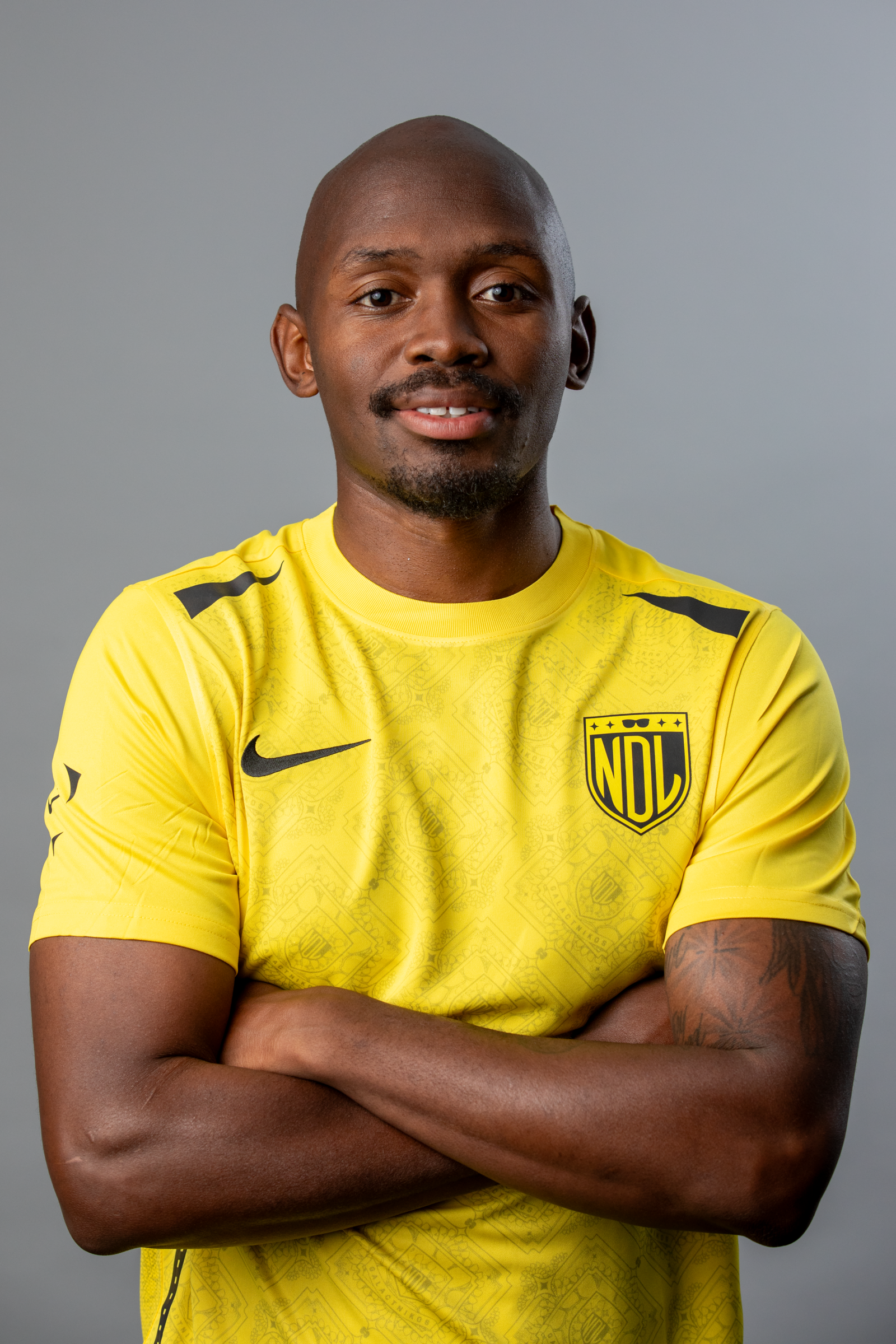
Why I Feel Better Prepared to Play at 30
I expected injuries to become a bigger part of football as I got older. My recent experience has felt different: at 30, I have been dealing with fewer injuries than I did when I was younger. I cannot put that down to one exercise or product. In the video, I explain the changes I think have helped me look after myself.

I stopped treating every session as a test of my limits
When I was younger, I often wanted to push harder in training and lift more in the gym. Now I think about what the next match needs from me. I still train to be strong and explosive, but I do not try to prove that by exhausting myself in every session.
My situation has changed too. Playing outside a full-time professional setup means I do not always have a physio available every day. That has made me more attentive to how much extra work I add around team training. I try to plan rest during the week and across the season rather than waiting until I feel worn down.
Small choices across the week
I go out drinking far less than I once did. I pay more attention to meals, hydration and sleep around matches. My sleep routine is not perfect, and I say so in the video, but I make a conscious effort to get enough rest. I also think about my warm-up, mobility and whether my boots suit the surface I am playing on.
These are personal habits, not a promise that another player will avoid injury by copying them. I have tried different recovery equipment and routines over the years; the most useful change for me has been taking the whole week seriously instead of looking for a single fix.
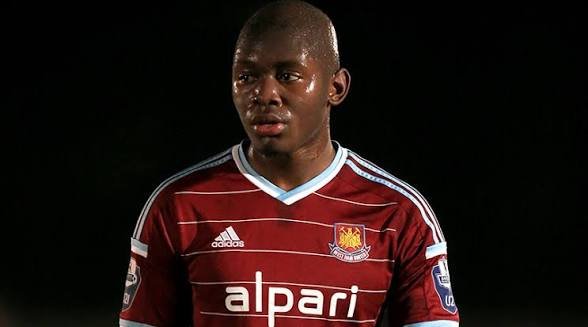
Experience has changed how I move on the pitch as well. Reading a situation earlier can mean I make a run at the right moment rather than chasing a poor touch at full speed. I still sprint when the game demands it. I simply use my judgement more than I did as a younger player.
If you are managing pain or returning from injury, speak with a qualified clinician who can assess your situation. My story is about how I have adapted my own routine, not a medical plan for everyone.
Watch the full video on YouTube.