
What TST Taught Me About Seven-a-Side Football
I went to TST with Edmonton Rangers wanting to compete for the $1 million prize. I came away without the trophy, but with a much bigger respect for seven-a-side football and the players who have made it their game.

I knew some of the squad from my time in Canada, so the move into the dressing room felt natural. We also had players with experience in different football environments. That gave us a foundation, but the tournament quickly showed that good individuals still have to adapt to the format together.
A difficult lesson against Furia
We won our first group game, then met Furia, a Brazilian side backed by Neymar. Their movement, rotations and technical play were on another level to what I had expected. I scored, but I left the pitch thinking about the defeat and what it exposed in my own game. It reminded me how many excellent players exist outside the leagues and places I usually watch.
That feeling was uncomfortable. It was useful too. Rather than dismissing seven-a-side as a lighter version of football, I had to recognise the specialist skills and understanding it demands.
The feeling of a comeback
Our next group match against Orlando Pirates went the other way emotionally. We came from behind in target-score play and won 2–1. The winning goal gave me a feeling I had not experienced in football for a long time. I had pushed myself hard for the team, and the result meant more than any individual moment.
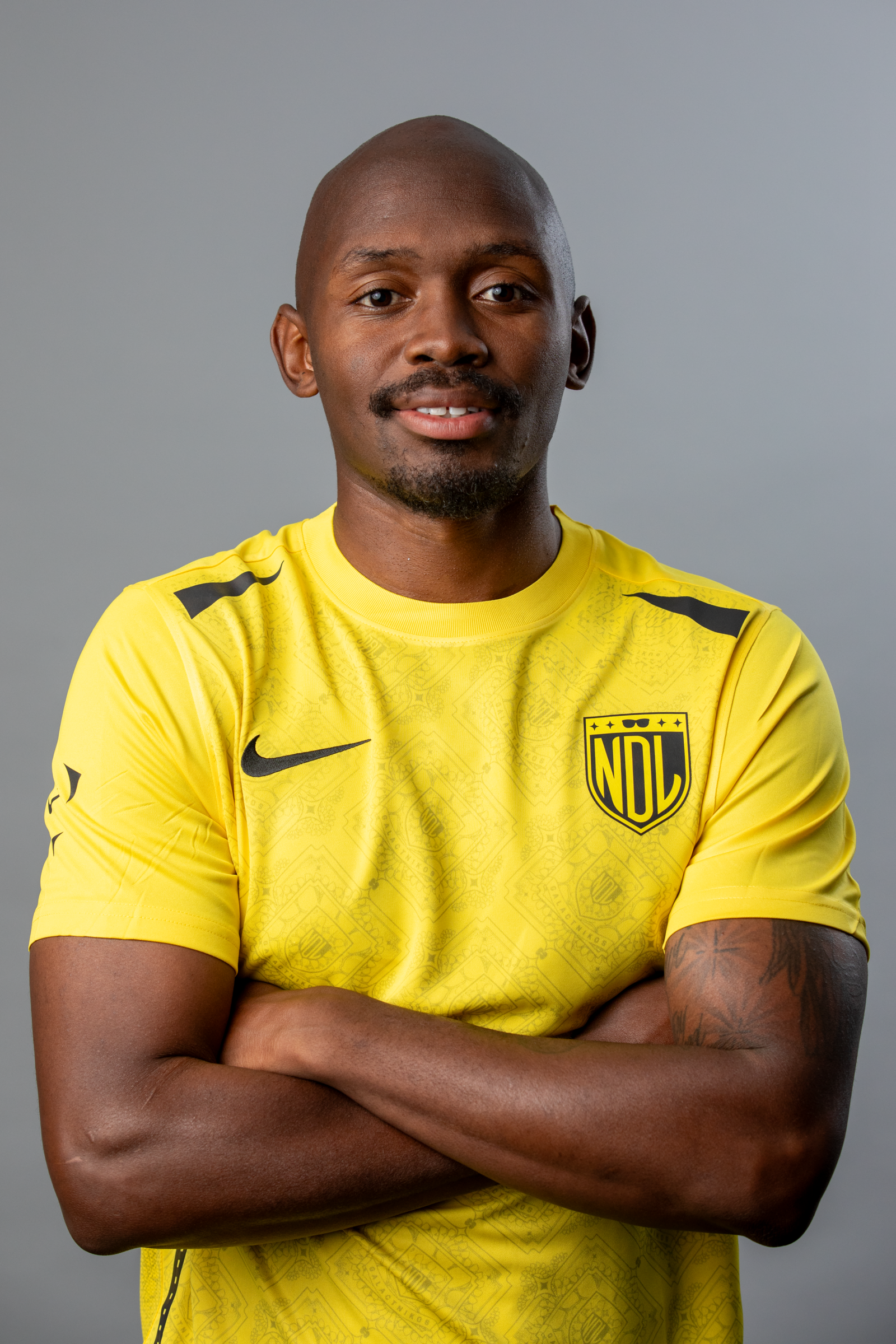
In the round of 32, we faced a side associated with Sergio Agüero. We were level going into target-score play before they found the winner. It was a hard exit, but I was proud of our response across the tournament.
TST changed my view of what this format can be. It brings together players from different countries and football backgrounds, and it rewards teams that understand its pace and space. I left wanting to learn more and return better prepared.
Watch my full TST review on YouTube.